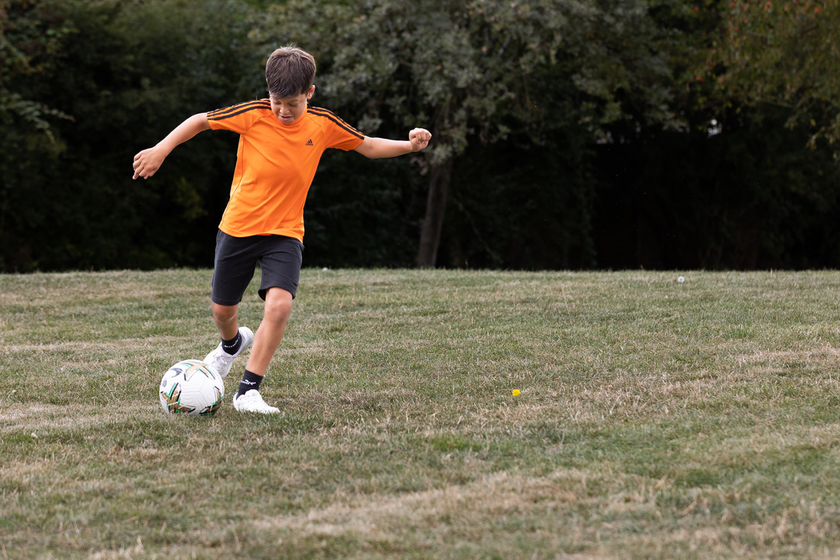
Joining a clinical trial seemed daunting, but it has since allowed fourteen-year-old Oliver to live a normal and healthy life for over a decade. His mum Danielle explains the positive impact getting involved in research has had on their lives.
Tell us about yourself and a brief overview of Oliver's healthcare journey
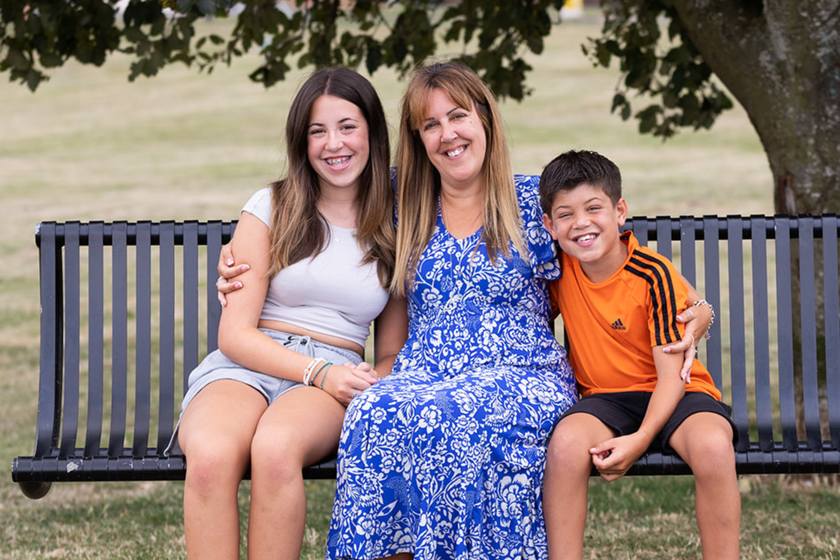
I live just outside Peterborough with my son Oliver, who is 14, and my daughter Macie, who is 18.
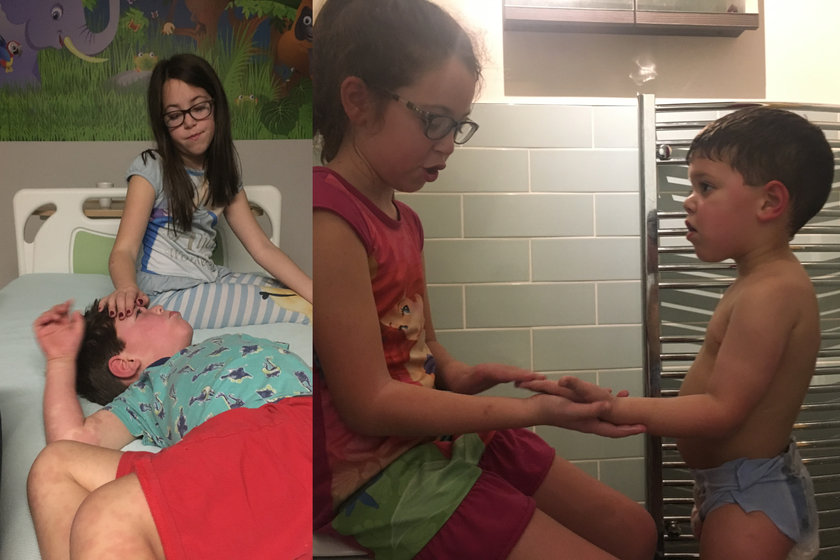
Oliver was diagnosed with multi-system Langerhans Cell Histiocytosis when he was just 20 months old. He initially underwent two years of traditional chemotherapy, but unfortunately the treatment stopped working and the disease began to spread. It was an incredibly difficult and frightening time for us. Thankfully, a clinical trial became available at Great Ormond Street Hospital, and we were fortunate enough to have Oliver enrolled. He has now been taking the trial medication for 12 years so far!
What difference has difference has research made for your family?
Research has been life-changing for Oliver and our family. The clinical trial became available at a time when standard treatment options were becoming very limited, and it offered us hope when we desperately needed it. We will always be grateful for the opportunity to take part.
Although it was scary at first not knowing how Oliver would respond to the medication or what the side effects might be, the trial team looked after us incredibly well. The treatment has enabled Oliver to manage his condition for more than a decade and has allowed him to live a much more normal life than we ever thought possible.
Danielle, Oliver's mum
Before Oliver took part in the trial, what were your thoughts about research?
Before Oliver's diagnosis, I didn't know very much about clinical research. I knew it was important, but I never imagined it would play such a significant role in our lives.
Our experience has completely changed the way I view research. I've seen first-hand how it can create new treatment options for children when existing treatments are no longer working or in Oliver's case to also find treatment options that are more targeted and less harsh. Without research, Oliver may not have had access to the medication that has helped him for the past 12 years. It has given me enormous respect for the researchers, clinicians and families who take part and help move medicine forward.
How has the research trial fitted into your everyday lives?
In the early stages of the trial, taking part involved a lot of travelling to Great Ormond Street Hospital and regular monitoring, tests and check-ups. It felt quite intense at times, but we always knew Oliver was being carefully looked after. The trial also covered our travel costs, which relieved a significant financial pressure and allowed us to focus solely on Oliver's wellbeing.
As time has gone on, participating in the trial has become part of our normal routine. Oliver takes his medication orally at home every day, and we now attend check-ups every 12 weeks, mainly at Addenbrooke's Hospital, which is much closer to home. Research now fits around our everyday life, and Oliver is able to enjoy his sports and time with friends.
What would you want other families to know about taking part in research?
I would want other families to know that it's completely normal to feel nervous or uncertain about taking part in research. We certainly did. There are lots of questions and unknowns, especially when your child is involved.
However, our experience was overwhelmingly positive. The teams involved made sure we understood everything and supported us every step of the way. For us, taking part in research provided access to a treatment option when choices were running out, and it allowed us to feel hopeful again. I would encourage families to ask questions, learn about the opportunities available and make the decision that's right for them.
What are the standout moments for you that show the impact of research?
The moment that stands out most is when we learned that Oliver had been accepted onto the clinical trial. At the time, his chemotherapy had stopped working and the disease was spreading. We felt as though we were running out of options, so hearing that there was another treatment available gave us hope when we needed it most.
Another reminder of the impact of research is seeing Oliver today. Despite everything he has faced, he lives a full and active life. He loves football, is very sporty and gets on with being a typical teenager. Watching him do the things he enjoys is a constant reminder of what research has made possible for our family.