
Research is fundamental to improving outcomes for children, young people and their families.
But while no one could argue that better outcomes are a good thing, child health research remains underfunded and often not prioritised.
The Cambridge Children's Research Institute (CCRI) will be working to change that, aiming to become a blueprint for how research might function across the world. We will remove the silos between science and healthcare, with researchers and clinicians working together in one building. Hosted by the University of Cambridge, the CCRI will be a melting pot of brilliant scientific minds all working to address the major challenges facing children in the 21st century. Plus, with everything under one roof, there will be more opportunities for patients and their families to get involved in research, creating a positive focus during difficult times.
We have spoken to researchers, clinicians, young people, parents and carers about what research means to them and why child health research should be a top priority.
-

5000sq m of space
dedicated to research in the heart of the hospital -

Seven research centres
will focus on the most serious impediments to children's health -

Greater opportunities
for patients and their families to get involved in research
The CCRIThe Cambridge Children's Research Institute is the most exciting development in child health in the UK in many, many years, probably the most exciting in Europe, if not the world.
Professor Sam Behjati
Mental healthMental health research is chronically underfunded, even though many adult mental health conditions have their roots in childhood. That matters because mental illness during childhood and adolescence can disrupt crucial developmental years.
Professor Tamsin Ford
 Mental Health
The importance of mental health research
Professor Tamsin Ford describes the challenges facing children and young people's mental health as a "perfect storm" but research is essential to improve their future outcomes. One of the CCRI centres will be dedicated to mental health.
Read Tamsin's Q&A (opens in a new tab)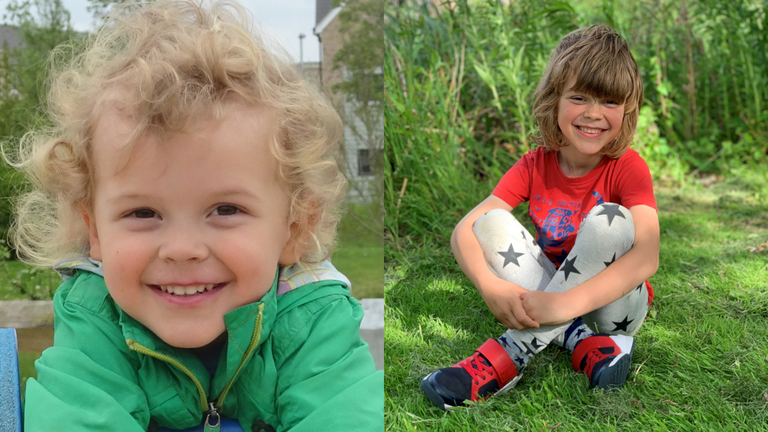 Gut health
 research to take place at CCRI
It’s been confirmed that the current Centre for Children’s Gut Health (CCGH), which formally launched in Cambridge in 2025, will become the seventh research centre to have a presence within the CCRI when it opens.
Read our story (opens in a new tab) Whole Genome Sequencing
Youngster thriving after genomic testing changed diagnosis
A research study has shown that getting genomic test results within days rather than weeks lead to better, more personalised care for more than half of children in the study newly diagnosed with cancer.
Read Oliver's story (opens in a new tab)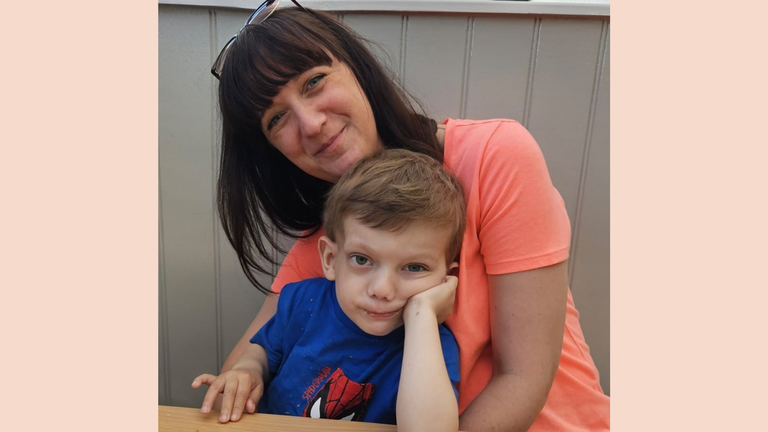 Research funding
Research for kinder, more effective treatments
Lisa Radcliffe, mum of George whose cancer was treated with child-sized doses of drugs designed for adults, writes about why child health research must be better funded.
Read Lisa's blog (opens in a new tab)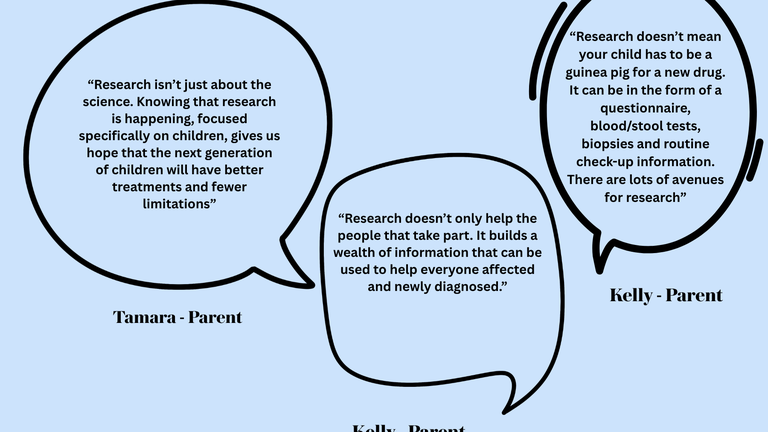 Busting myths
What does clinical research actually mean?
Claire Glemas, Senior Clinical Research Nurse at Cambridge University Hospitals NHS Foundation Trust, has busted some of the common myths surrounding research. Children, young people, parents and carers have also shared their thoughts.
Read more (opens in a new tab)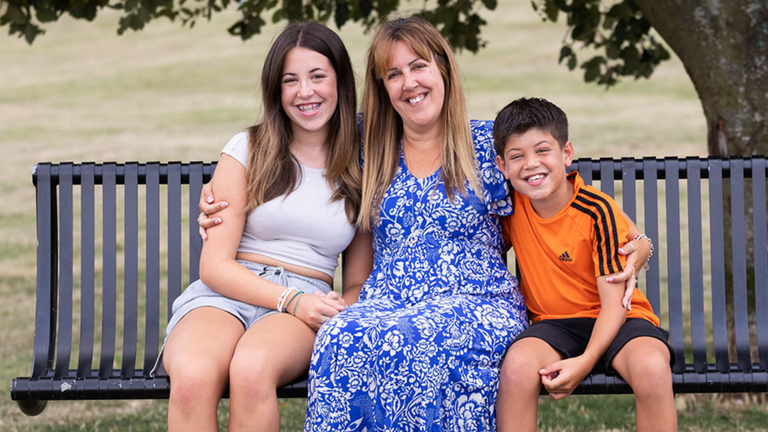 Research trial
 brought hope to family
Mum Danielle writes about being offered a trial for her son, after his cancer treatment options were running out.
Read Danielle's story (opens in a new tab)Research trialThe treatment has enabled Oliver to manage his condition for more than a decade and has allowed him to live a much more normal life than we ever thought possible
Danielle, Oliver's mum