
Bringing the Cambridge Children's Research Institute into the heart of the new Cambridge Children's Hospital will create more opportunities for patients and their families to take part in research. But what does clinical research actually mean?
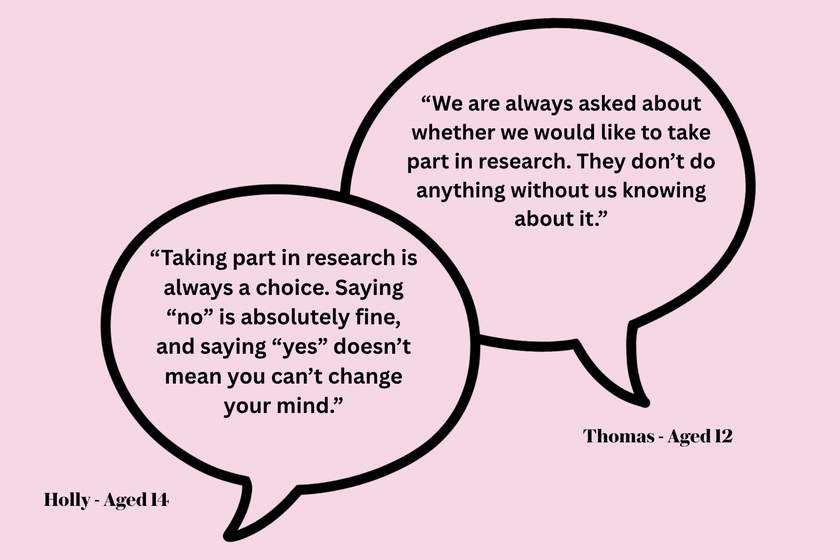
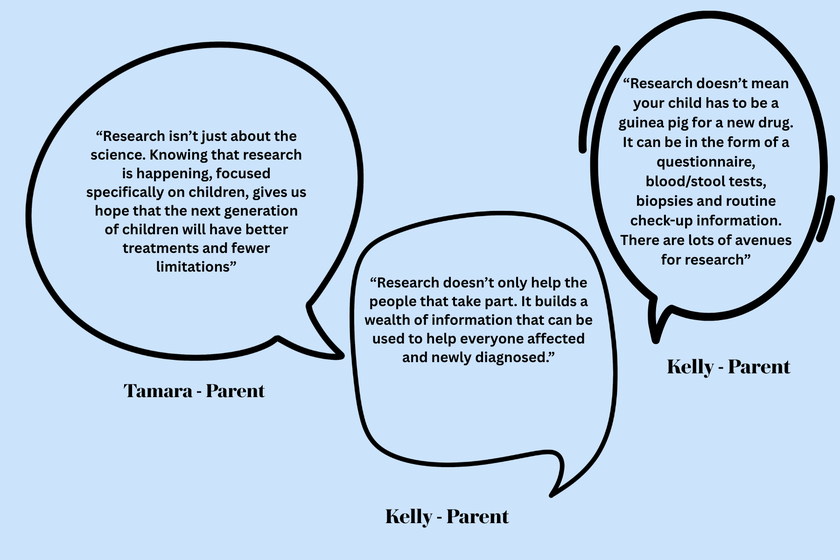
Claire Glemas, Senior Clinical Research Nurse at Cambridge University Hospitals NHS Foundation Trust, has busted some of the common myths surrounding research. Children, young people, parents and carers have also shared their thoughts about what taking part in research has been like.
MYTH: Children should not take part in clinical research
FACT: Children have historically been underrepresented in clinical research. This means that some medicines and treatments used in children have not been studied as thoroughly in children as they have in adults. Giving children and families the opportunity to take part in research helps us understand how treatments work specifically for children and how we can make their care better. This is important for improving care for children with both common and rare conditions, now and in the future.
MYTH: All research studies are about finding a cure
FACT: Research is about much more than finding cures. Some studies look at new medicines or treatments, while others aim to improve diagnosis, understand why conditions develop, manage symptoms, or find better ways of supporting children and families. Research can also help us improve how healthcare is delivered and understand what matters most to patients and families.
MYTH: Research only benefits drug companies
FACT: Health research can be funded in many different ways, including by the government, charities and life sciences companies. When the NHS carries out research on behalf of a commercial company, the company is required to cover the costs of that research. Commercial research also plays an important role in developing and testing new medicines and treatments. The knowledge gained through research can help improve the care and treatment available to patients.