
Families do not need perfection from hospitals. They need to feel seen, heard and included. Because when you support the family, you strengthen the foundation beneath the child, writes Kate Gravett, Cambridge Children’s Hospital Parent Advocate.
When people imagine a child coming home from hospital after serious illness or injury, there is often a sense that the nightmare is over. Relief. Gratitude. Survival.
But for many families, coming home is not the end of the crisis. It is the beginning of a different kind of survival.
A life changing moment
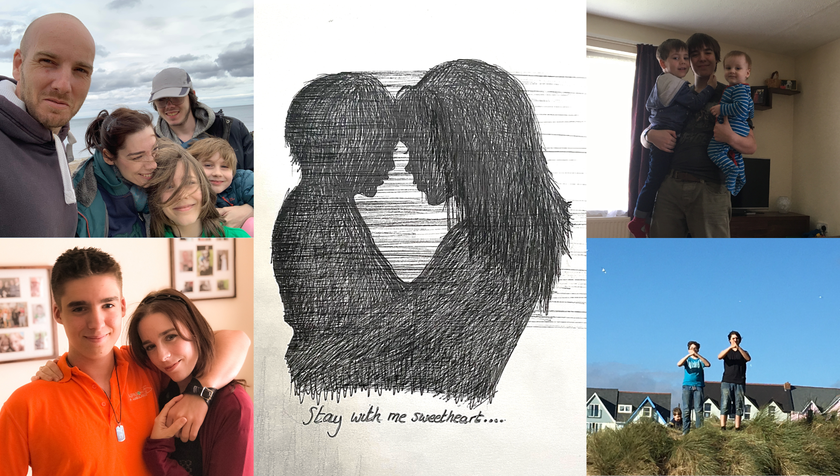
My husband Peter and I have four children. When our eldest child Brandon was eleven, he was hit and almost killed by an overtaking school bus on his first day of secondary school. He sustained a severe traumatic brain injury and, years later, we are still living with the consequences of that day.
Before the accident, our lives were ordinary in all the ways that matter. School runs, muddy bikes, sibling squabbles, trying to organise date nights around children and work.
Then suddenly, our world revolved around survival: hoping our child would wake up, breathe without a machine, relearn how to swallow, communicate, walk and play again, while helping him manage overstimulation and emotions that no longer made sense to him.
Wrapping around the family
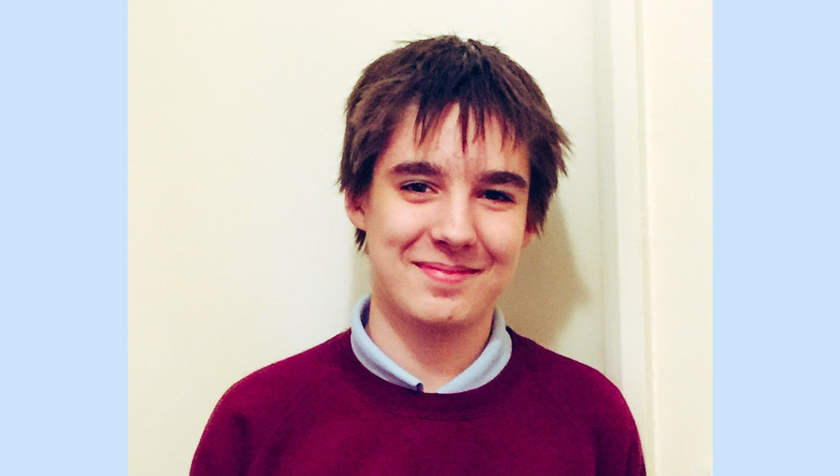
Siblings are often the forgotten patients in paediatric care. The focus quite rightly falls on the child who is critically ill or injured, but brothers and sisters are grieving as well. They lose the version of family life they knew overnight and are left trying to make sense of changes that even adults struggle to process.
I have learned through lived experience that you cannot truly care for a child without caring for the people who wrap around them too. Children do not recover in isolation. Recovery happens within families.
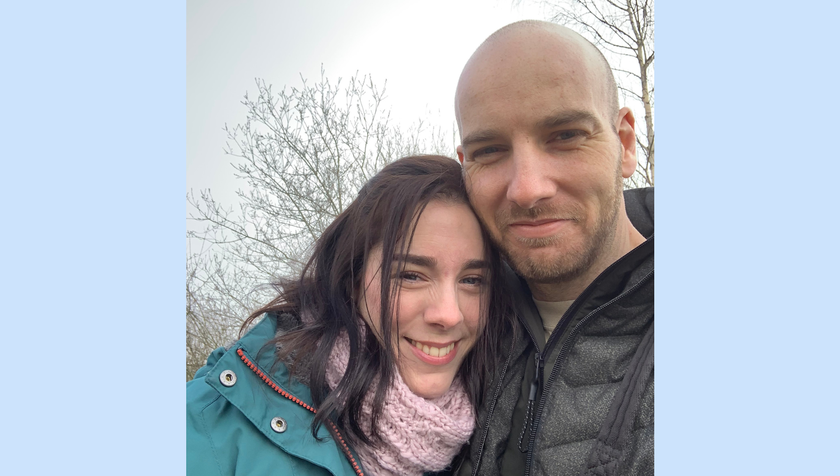
I am forever grateful for the early candour from a neurosurgeon who spoke frankly about the strain traumatic brain injury places on families, and how marriages and families do not survive the pressure long term. Peter and I began deliberately making time to stay connected, even if all it meant was a hot chocolate while our children slept. Years later, we still protect small windows of time together.
The long road ahead
When a child sustains a life-changing injury, parents suddenly become carers, advocates, administrators, therapists, emotional regulators and coordinators overnight. We tag in when professionals tag out; families become mini rehabilitation teams overnight.
In those earliest days after trauma, families are functioning on adrenaline and fear. I had leaflets on PTSD handed to me in week one. We could barely process whether our child was going to survive. Support offered once, too early, is often impossible to absorb. We needed that support a year later.
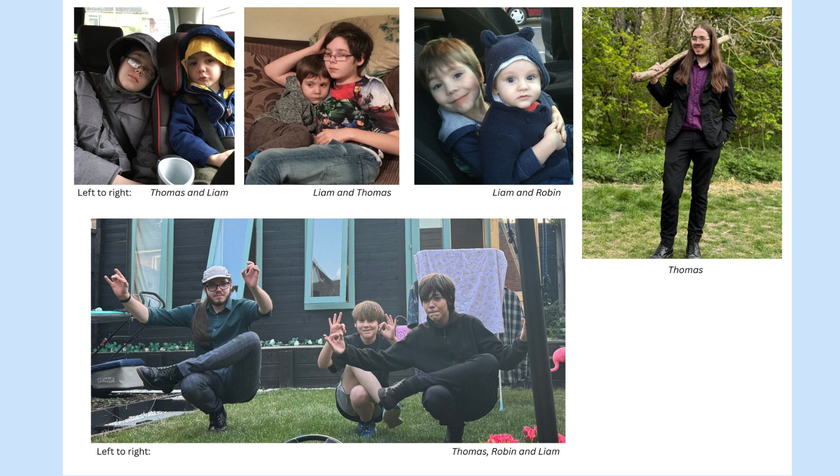
Our son Thomas was nine when Brandon was injured. At first, he lost his voice almost entirely outside of necessary responses. He developed nightmares, anxiety and depression. While Brandon relearned communication after brain injury, Thomas quietly became his “therapy buddy” overnight.
Liam and Robin, our youngest children, grew up around rehabilitation, hospital corridors and endless car journeys instead of toddler groups and ordinary routines. All my children learned far too early that challenging behaviour often signals unmet need, and they developed emotional awareness in ways most siblings are never asked to. That is the reality for many siblings of disabled children. They are not simply witnesses to rehabilitation. They become part of it.
Rehabilitation and psychological support
What also became clear to us was that rehabilitation does not always look clinical. Sometimes it looks like brothers throwing a ball to one another to develop balance and coordination, or building Lego kits to rebuild patience and fine motor skills.
Sometimes it looks like laughter and learning Kung Fu together so that siblings can stand on equal ground again instead of one child always “catching up”. That was what we came to call “rehab in disguise”. Play became our secret weapon for rebuilding connection. Not a distraction from rehabilitation, but rehabilitation itself. It helped our children communicate when trauma had taken words away. It rebuilt relationships. It allowed our children to reclaim parts of childhood in the middle of something frightening and life-altering. Over time, we learned that meaningful rehabilitation works best when it connects to identity, relationships, interests and future hopes, not simply endless exercises and targets.
The support that mattered most to us was not only the clinical expertise that saved our child’s life. It was the professionals who recognised that we were human beings too. The neuropsychologist who stayed involved long-term. The clinicians who understood why supporting our child also meant supporting the environment around them.
It sounds small, but if the family unit is falling apart emotionally, psychologically or financially, the child feels that too. I’ve described rehabilitation like climbing a mountain as a team. You are only as fast as the slowest member. Sometimes the slowest member is not the child with the injury, but the exhausted parent surviving on no sleep, the sibling silently struggling with anxiety, or the family itself buckling under years of sustained stress. That is why emotional and psychological support for families cannot be treated as an afterthought.
Sharing lived experience for Cambridge Children's Hospital
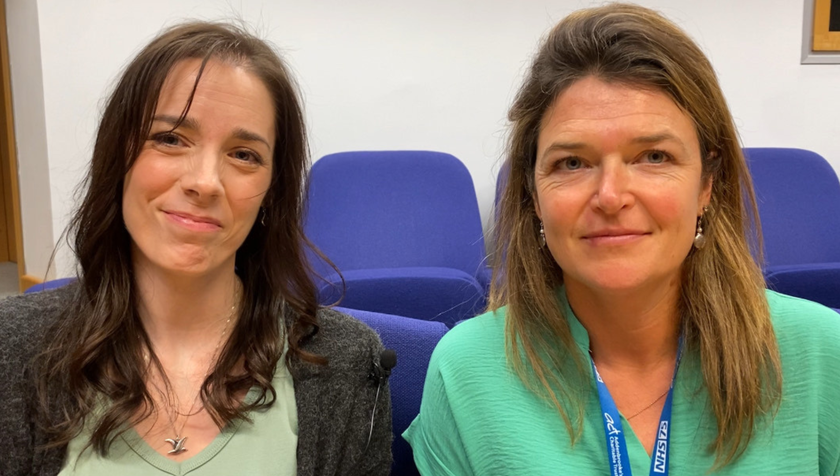
That understanding now shapes the work I do with Cambridge Children’s Hospital. As a Parent Advocate, I bring lived experience into hospital design, leadership and family-centred care discussions. I work alongside professionals and families because we notice needs that are often missed in isolation.
We notice the sensory overload, the lack of spaces for siblings, the exhaustion of repeating your story over and over again, and the gaps families fall through after discharge. We notice how vital it is for life‑changing conversations to happen in a private room, not in a space where every word can slip through a curtain. We also notice the extraordinary difference it makes when children can still feel like children, and families can still feel like families, even in healthcare settings.
I am glad to know that Cambridge Children’s Hospital will support the whole family. From protected spaces for critical early‑days conversations, to indoor and outdoor environments that restore play and connection, to hospital school and rehabilitation that bridges the move back into community and school, ensuring children have the strongest possible lifelong outcomes.
Evolving family support needs
My eldest two are in their twenties now, and everyone’s roles have evolved. Brandon also transitioned and is now Hanna. Thomas translates misunderstandings, spots patterns, identifies risks and supports Hanna in navigating manipulation. He carries the same losses and gains that his dad Peter and I experience. He said something to me I will never forget: “Who else besides me can understand who Hanna once was?”
Families need support that evolves alongside the child, because brain injury - and its impact - change over time, through adolescence and into adulthood. A whole-child approach means recognising that healing is emotional, relational, psychological and social as well as medical.
Families carry the weight of recovery long after professionals have gone home. When you support the family, you strengthen the foundation beneath the child too.
- Kate is one of six Parent Advocates who have been involved in the Cambridge Children's Hospital project for a number of years, representing families from across the East of England. They sit across all aspects of the project and at all strategic levels, holding us to account, challenging us, and making us think differently. Their input has helped inform decision making and put the voices of patients and families at the forefront of the project. Read more about how we are engaging children, young people and families.